
Help around the home is just a few clicks away

Winterize Your Home: Simple, Real World Tips (That Actually Help)
Cold snaps are rough on houses. A little prep now saves money, avoids leaks, and keeps things comfortable. Here’s a practical guide you can knock out over a weekend plus a few smart upgrades when you’ve got time. No fluff.
1) Heat & Air: keep warm air in, cold air out
Furnace/heat pump
- Swap the filter (set a phone reminder for every 30–60 days).
- Run the system once before the first freeze; listen for odd noises.
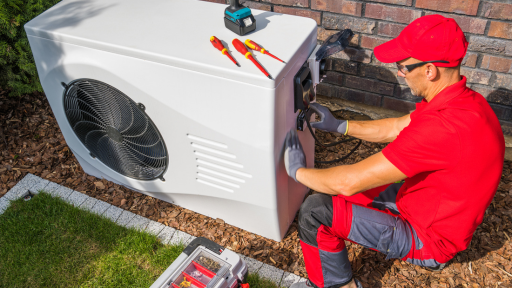
- Clear 2–3 feet around outdoor heat pump units; brush off leaves.
- Programmable thermostat: set 68–70°F when home, lower at night.
Vents
- Open and vacuum floor/ceiling registers.
- Don’t block returns with furniture.
- Close gaps around doors/windows with adhesive weather-strip and a door sweep.
- Use rope caulk on drafty window sashes peels off in spring.
- Close the damper on unused fireplaces (and plug with a chimney balloon if you never use it).
2) Plumbing: freeze prevention = cheap insurance
- Garden hoses off, spigots drained. Add outdoor faucet covers.
- Insulate exposed pipes in basements, crawl spaces, and garages.
- Know where your main shutoff valve is. Test it once.
- In hard freezes, open cabinet doors under sinks on exterior walls and let faucets drip a pencil-thin stream overnight.
If leaving town: set heat to at least 55°F, and ask a neighbor to check in.
3) Roof, gutters & outside basics
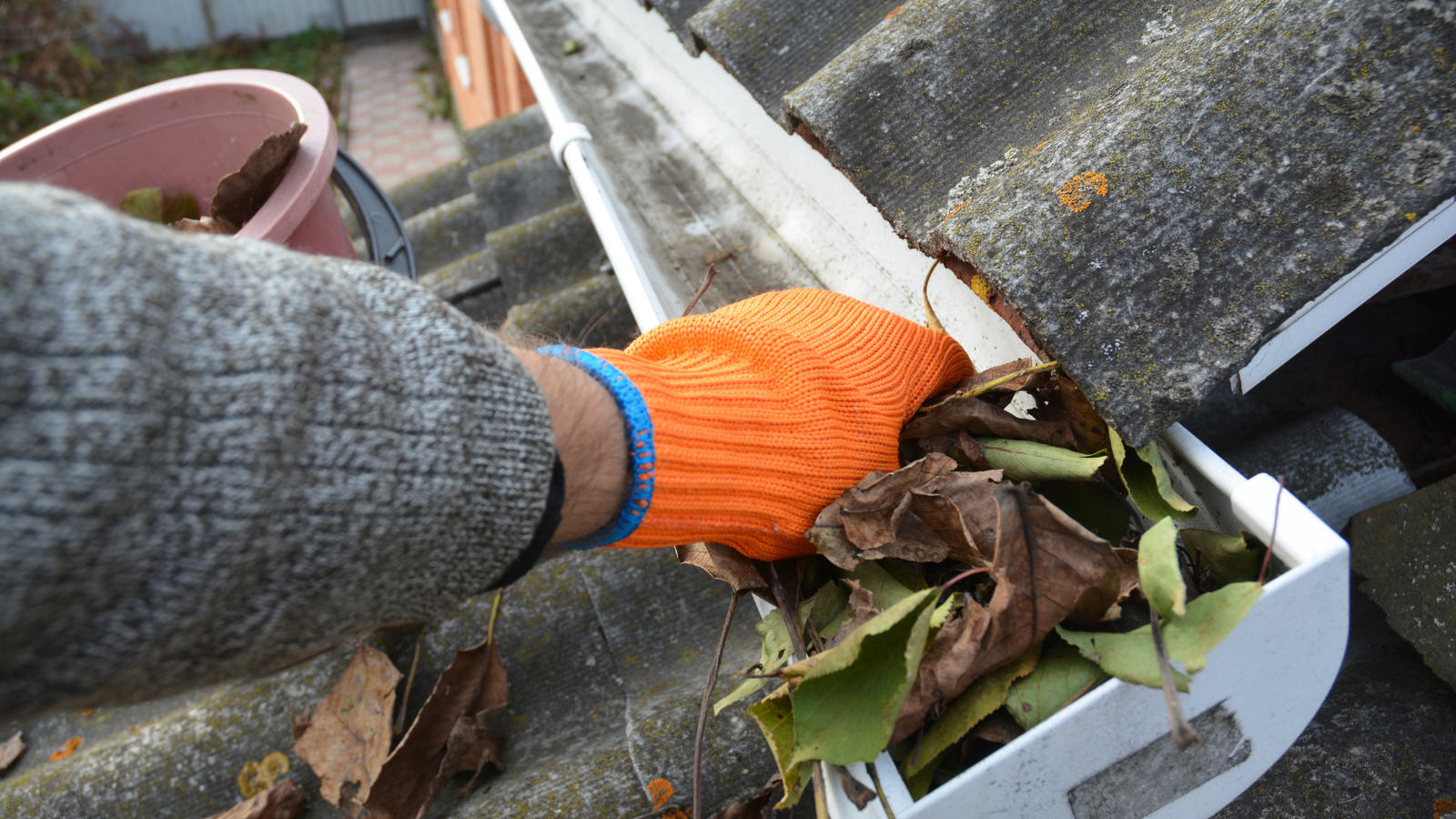
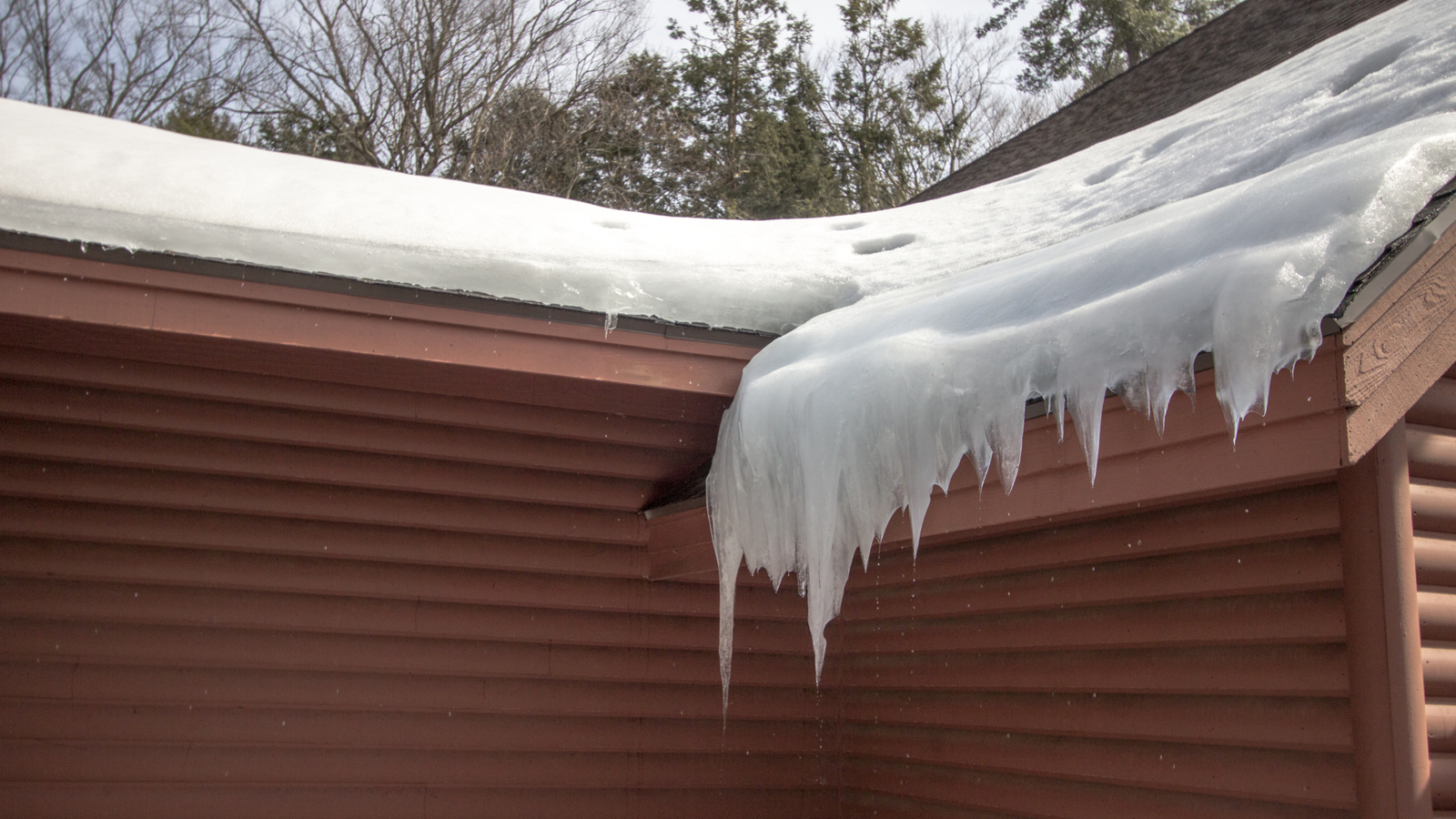
- Clean gutters so meltwater can flow. Add downspout extenders 3–6 ft away from the house.
- Look for missing shingles, cracked vents, or loose flashing small fixes now stop ceiling stains later.
- Trim branches that touch the roof; wind + ice = shingle damage.
- Check walkways and steps; bag of ice melt (pet-safe) on hand helps.
4) Doors, windows & insulation
- Attic: if you can see joists, you probably need more insulation. Aim for 10–14 inches total (varies by climate).
- Basement/crawl space: seal gaps where pipes and wires enter with foam or caulk.
- Windows: if they’re leaky, add clear shrink-film kits for winter cheap, big payoff.
- Curtains help too: open on sunny days, close at night.
5) Safety checks (do these)
- Smoke & CO detectors: test, replace batteries, and put one near bedrooms and by the furnace area.
- Fireplace/wood stove: have chimneys inspected/cleaned if you burn regularly.
- Keep a flashlight and small space heater (tip-over/overheat protection) for emergencies.
- Inspect around tubs, showers, and sinks. Recaulk cracked lines to block moisture and cold drafts.
- Check the water heater: drain a gallon from the tank to remove sediment; insulate the first 6 ft of hot/cold pipes on top. A water heater blanket helps older tanks.
7) Garage & vehicles
- Weather-strip the garage door; it’s a big heat leak.
- Store a winter kit: ice melt, shovel, windshield washer fluid, jumper cables, gloves.
8) Energy savers that pay back
- Smart thermostat: learns your schedule, trims energy use.
- LED bulbs: cold weather friendly and low wattage.
- Outlet/switch gaskets on exterior walls tiny cost, noticeable draft fix.
- Power strips for media/office gear; switch off phantom loads.
9) If you work from home
- Move your desk away from drafty windows.
- Use a door draft stopper for the office.
- Space heater rule: keep 3 ft from anything that burns; never leave it running unattended.
10) Quick weekend checklist
Outside
- Clean gutters / extend downspouts
- Disconnect hoses / cover spigots
- Check roof edges & flashing
- Trim branches off the roof
Inside
- Replace HVAC filter; test heat
- Weather-strip doors / add door sweeps
- Seal window drafts (rope caulk or film)
- Insulate exposed pipes
- Test smoke & CO detectors
- Find and test main water shutoff
11) When to call a pro
- Furnace/boiler won’t start, smells odd, or trips breakers.
- You see roof sagging, soft spots, or interior ceiling stains.
- Frozen pipe you can’t reach or a burst line (shut water off first).
- Chimney cleaning, major electrical work, or new insulation in tight spaces.


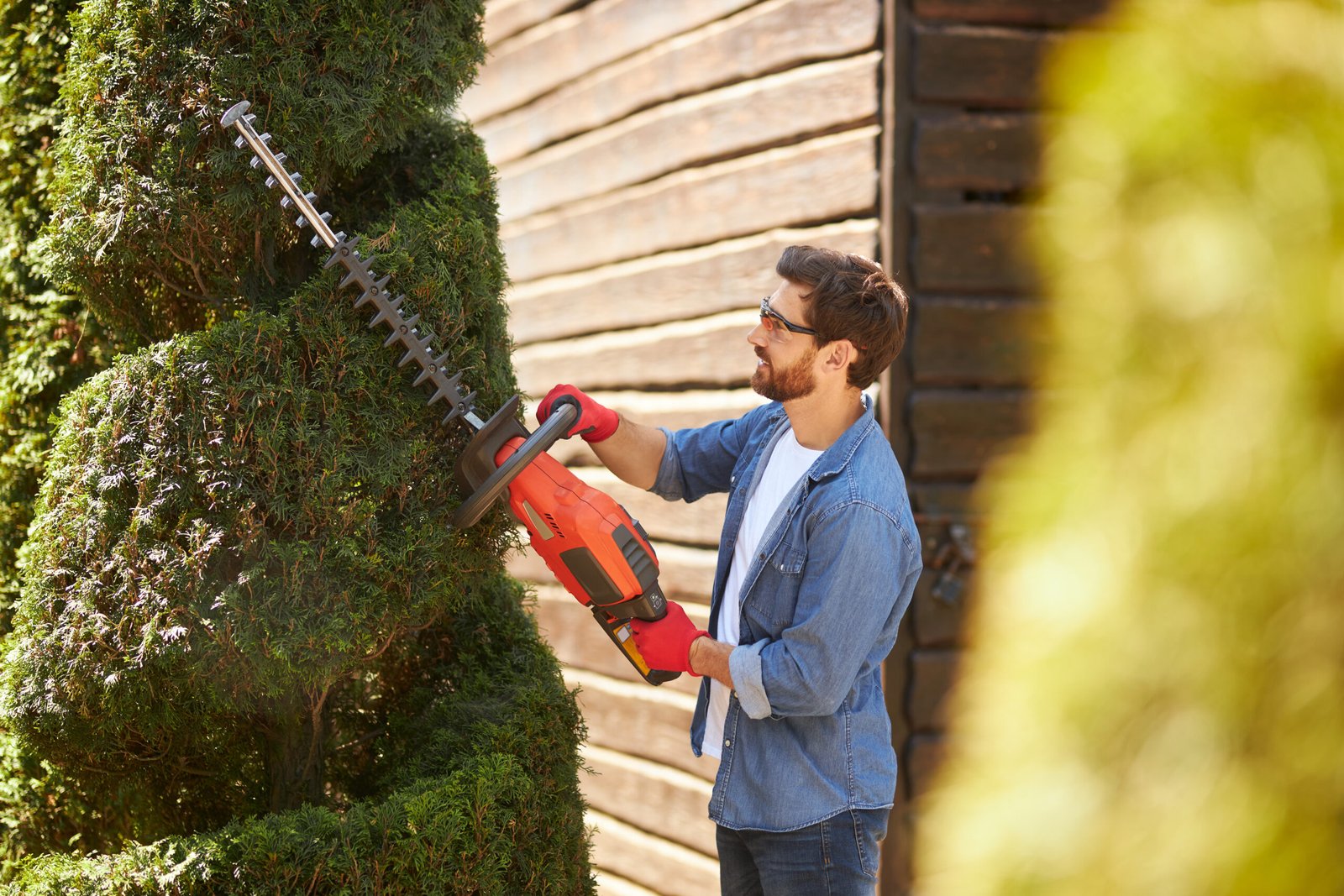
Why Professional Tree Trimming & Removal Matters for Yards
Introduction
Trees can be the crown jewels of your yard — providing shade, visual appeal, wildlife habitat, and value. But unmanaged trees can also pose risks: to property, power lines, or safety. At YardWrench, we offer expert tree trimming and removal services. Here’s why bringing in professionals matters and what you should know.
Benefits of Professional Tree Service
- Proper trimming promotes tree health: Removing dead or diseased limbs, thinning the canopy to increase airflow, and shaping the tree reduces stress and enhances aesthetics.
- Safety first: Leaning trees, overhanging heavy branches, or trees close to structures can pose hazards, especially during storms. Professionals assess risk and act accordingly.
- Removal when needed: Some trees may be beyond rescue or not suitable for their location (too close to foundations, poor species choice). Removing them prevents future damage.
- Clean and efficient: Professionals have the right equipment, know local regulations (permits, utility clearances), and handle debris removal.
- Increase property value & landscape performance: Healthy, well-trimmed trees make a yard look maintained and can enhance resale value.
When You Should Call a Pro
- If a tree is leaning significantly or uprooted partly.
- If large branches are overhanging your roof, power lines, or neighboring property.
- If you notice signs of disease (fungal growth, bark loss, dead branches).
- If you’re planning major yard work (deck, patio, major planting) and need trees removed or trimmed to make way.
What to Expect During Service
- An assessment of the tree’s health, structure, and risk.
- A discussion of options (trim-and-save vs. removal).
- Safe operation: protection of surrounding lawn/landscape, use of proper gear, clean-up.
- Advice for aftercare: mulching beneath the tree, avoiding damage to roots, replacing removed trees appropriately if desired.
Aftercare Tips for Tree Health
- Water newly planted or trimmed trees appropriately (especially in summer heat).
- Avoid topping the tree (which often damages more than helps).
- Keep lawn equipment and chemicals away from the base of mature trees (roots can spread broadly).
- Monitor for pests or signs of stress. Early signs: thinning canopy, bark splits, fresh woodpecker holes.
Conclusion
Trees are long-term investments in your landscape, but they need honest care and sometimes timely removal for the health of the yard and the safety of your property. When you want reliable, professional service, YardWrench is ready to assist — from trimming to full tree removal, we’ve got your back.
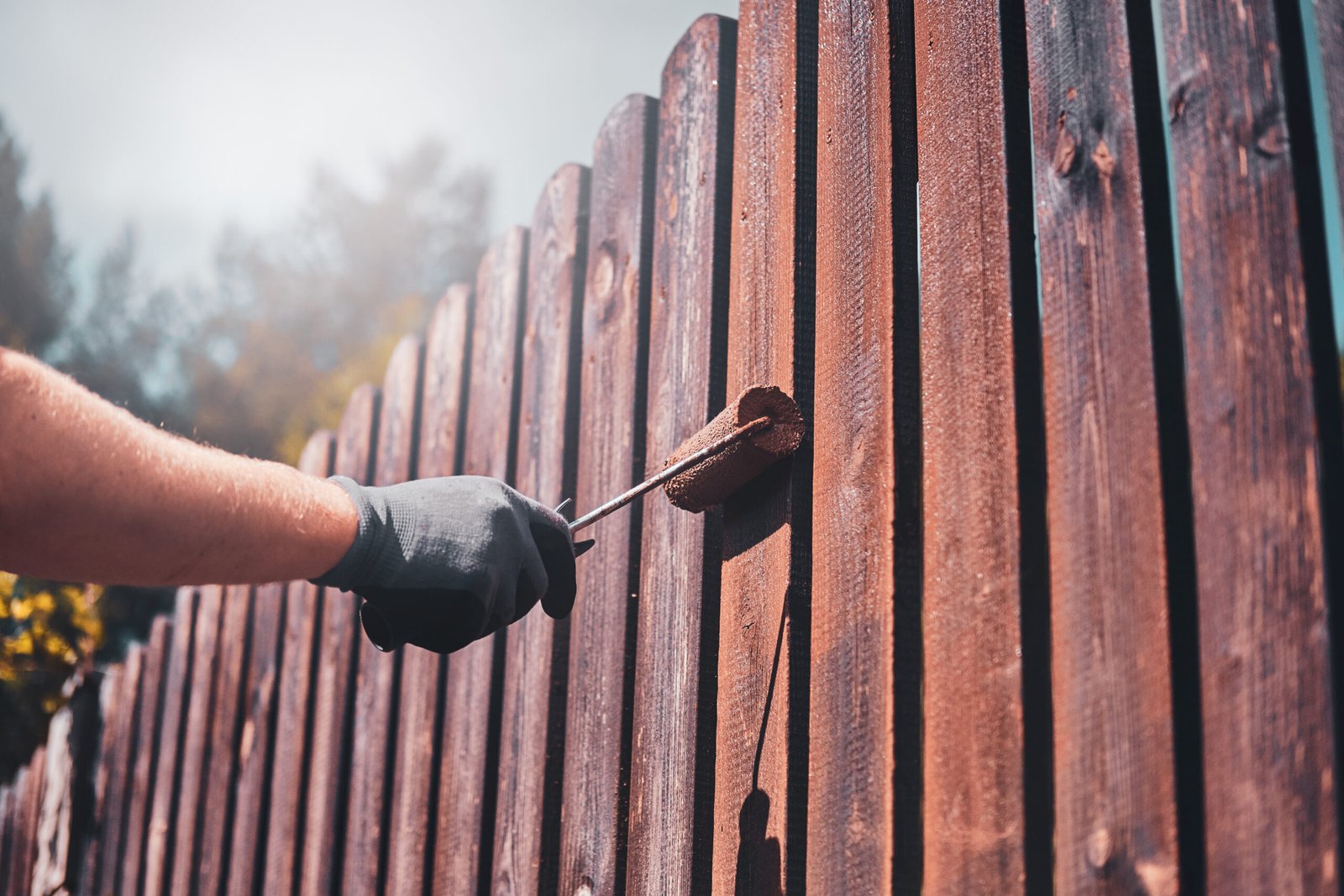
Fence & Deck: Is It Time for Repair or Replacement?
Introduction
A fence or deck adds both function and aesthetic value to your yard—providing privacy, a place for outdoor living, and delineation of your space. But like all outdoor features, they face wear from weather, time, and use. At YardWrench, we handle deck & fence build, repair, and replacement services. Here’s how to tell whether it’s time for repair or full replacement.
Signs You Need Attention
- Wood rot, warping, or splintering boards: When boards start to deteriorate, structural integrity is compromised.
- Loose or leaning posts, rails, or pickets: These are safety concerns.
- Rusting or broken hardware: Screws, nails, hinges—all need to hold up under stress.
- Deck boards or joists that bounce, sag, or squeak: Indicates weakened support underneath.
- Colour fading, mould, or mildew: While aesthetic, it also indicates moisture exposure which accelerates damage.
Repair vs Replacement: What to Consider
- Repair: If the damage is localized (a few boards, hardware, or rails), a repair usually makes sense. It’s more cost-effective and faster.
- Replacement: If the structure is older (10-15 years or more), multiple problem areas exist (rot, sagging, widespread rust), or if you want a new look/material (composite deck, upgraded fence style), full replacement is often more practical long-term.
Material & Design Upgrade Options
When it is time to replace, consider:
- Composite decking: Low-maintenance, resistant to rot/decay and often warranty-backed.
- Pressure-treated wood: More budget-friendly, but requires regular maintenance (seals/stains every few years).
- Vinyl or metal fence options: For low maintenance and modern aesthetic.
- Custom design features: Built-in benches, planters, lighting under rails or stairs—all add enjoyment and value.
Maintenance Tips to Extend Life
- Clean decking or fence annually (power wash low-pressure, then reseal or stain).
- Tighten or replace hardware as you notice wear.
- Keep vegetation (vines, shrubs) trimmed away from fence/deck to reduce moisture retention.
- Inspect after storms for loose boards or posts and address immediately.
Closing
Whether you’re repairing a few boards or planning a full upgrade, YardWrench is ready to help. Our team of professionals can assess the condition, recommend cost-effective solutions, and complete the project with quality and care. Give us a call today for a consultation.

5 Essential Lawn & Landscape Tips for Homeowners
Introduction
If you’re a homeowner in the area, keeping your yard looking its best isn’t just about curb appeal—it’s about creating a pleasant outdoor space you’ll enjoy year-round. At YardWrench, we’ve helped countless homeowners transform their outdoor spaces. Here are five essential tips you can start implementing today.
1. Choose the Right Grass & Seasonal Care
Climate means you’ll want a turfgrass that handles hot summers and cooler winters. Regular mowing at the correct height, proper watering (deep and infrequent rather than shallow and frequent), and fertilizing at the right time can make a big difference.
Tip: mow when the grass is dry and sharpen your mower blades for clean cuts.
2. Prepare Your Beds & Borders for Plantings
Well-defined beds and borders give your yard a polished look. Removing weeds, edging your beds, and refreshing mulch each season will keep your landscape crisp. Consider native or drought-tolerant plants to reduce maintenance.
Tip: use a 2-3 inch layer of mulch to suppress weeds and retain soil moisture.
3. Tree & Shrub Health: Prune, Trim & Monitor
Trees and shrubs anchor your landscape. Prune dead or diseased limbs; trim for shape; inspect for pests or fungal issues. This not only improves appearance but helps prevent hazards (fallen limbs, root damage) in storms.
Tip: late winter or early spring is a good time for major pruning while plants are still dormant.
4. Irrigation & Drainage: Avoid the Soggy Spots
Gets its share of rainfall, but improper drainage can still cause problems (pooling water, soggy soil, root rot). Ensure gutters and downspouts direct water away from planting beds and foundations. Consider grading or adding French drains in persistent wet areas.
Tip: after a heavy rain, walk your yard to identify slow-draining zones.
5. Seasonal Projects: Keep the Momentum Going
Landscape care isn’t a one-and-done task. For example:
- Spring: freshen mulch, plant annuals, aerate lawn.
- Summer: monitor watering, weed, spot-treat pests.
- Fall: overseed if needed, remove leaves, prepare for cooler temps.
- Winter: prune trees/shrubs, clean up debris, plan for next year.
Tip: keep a simple calendar or checklist so you stay ahead of the tasks rather than catching up.
Conclusion
A beautiful, healthy yard doesn’t happen by accident—it’s the result of consistent care and good planning. If at any point you feel overwhelmed or just don’t have the time, the experts at YardWrench are here to help with lawn care, landscape design, tree trimming, and more. Contact us today and let’s make your outdoor space shine.