
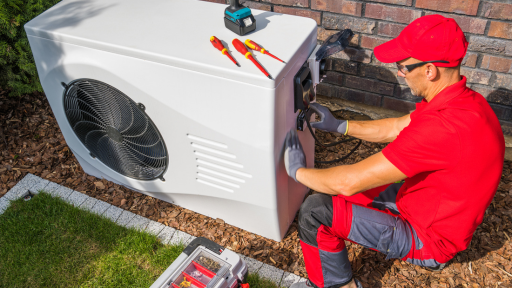
Heat Pump & Furnace Quick Tune: Do This Before the Freeze
A 30–45 minute checklist to keep your home warm, safe, and efficient during winter cold snaps.
1) Filters first
- Replace or wash your HVAC filter.
- Set a reminder to check it every 30 to 60 days in winter.
- With pets or heavy dust, check monthly.
2) Thermostat test
- Raise the setpoint a few degrees and confirm the system starts smoothly.
- Fan mode should be “Auto” unless advised otherwise.
- Verify schedules for wake, leave, return, and sleep.
3) Vents and returns
- Open supply vents in occupied rooms.
- Do not block return grilles with furniture or rugs.
- Vacuum dust from covers and grilles for better airflow.
4) Heat pump outdoor unit
- Clear leaves, branches, and snow within 2–3 feet.
- On a mild day, gently rinse debris from the coil.
- Steam or frost during defrost cycles is normal.
5) Furnace basics
- Keep 3 feet of clearance around the unit.
- Check outdoor intake and exhaust pipes for nests, leaves, or snow.
- If you smell gas, shut down and call a pro right away.
6) Condensate and drain lines
- Confirm the drain line is not kinked or clogged.
- Empty the condensate pump if full and restore power.
- A small splash of white vinegar can deter algae if approved by your pro.
7) Humidifier (if installed)
- Set humidity to about 30–40% in winter.
- Replace the pad if it is coated with minerals.
8) Simple energy wins
- Weather-strip drafty doors and add a door sweep.
- Open curtains on sunny days and close them at night.
- Close the damper on unused fireplaces.
9) Safety checks
- Test smoke and carbon monoxide alarms; replace batteries now.
- Keep space heaters 3 feet from anything that can burn. Plug directly into a wall outlet.
- Keep clear access to the breaker panel and main water shutoff.
10) Signs you should call a pro
- Heat runs constantly or short cycles
- Strong fuel, burning, or electrical smells
- Loud scraping, banging, or squealing
- Cold air from vents while heat is on
- Tripped breaker or repeated error codes
Quick checklist
- Replace filter
- Test thermostat and heat
- Open and vacuum vents and returns
- Clear 2–3 feet around outdoor unit
- Check intake and exhaust pipes
- Confirm condensate line is clear
- Test smoke and CO alarms
.yw-article {max-width: 840px; margin: 0 auto; font: 16px/1.6 system-ui, -apple-system, Segoe UI, Roboto, Arial, sans-serif; color:#0f172a;}
.yw-article h1 {font-size: 32px; line-height:1.25; margin: 0 0 8px;}
.yw-article h2 {font-size: 22px; margin-top: 28px;}
.yw-article__dek {color:#334155; margin: 0 0 18px;}
.yw-article ul {padding-left: 22px;}
.yw-cta {margin: 28px 0; padding: 16px 18px; background:#f1f5f9; border:1px solid #e2e8f0; border-radius:10px;}
.yw-cta a {color:#18533f; font-weight:600; text-decoration: none;}
{ "@context":"https://schema.org", "@type":"FAQPage", "mainEntity":[ { "@type":"Question", "name":"How often should I change my HVAC filter in winter?", "acceptedAnswer":{"@type":"Answer","text":"Check every 30 to 60 days. With pets, heavy dust, or allergies, check monthly."} }, { "@type":"Question", "name":"Is frost on a heat pump outdoor unit normal?", "acceptedAnswer":{"@type":"Answer","text":"Yes. Heat pumps defrost themselves. Brief steam or frost is normal during defrost cycles."} }, { "@type":"Question", "name":"What thermostat setting saves energy without freezing?", "acceptedAnswer":{"@type":"Answer","text":"Many homes are comfortable around 68–70°F when occupied and a few degrees lower at night. Avoid deep setbacks in extreme cold."} }, { "@type":"Question", "name":"When should I call a professional?", "acceptedAnswer":{"@type":"Answer","text":"Call a pro for persistent cold air, fuel or burning smells, loud scraping or banging, tripped breakers, or repeated error codes."} } ] }