
- Home
- Frozen Pipes Playbook: Prevention & What to Do If It Happens
Frozen Pipes Playbook: Prevention & What to Do If It Happens
Simple steps to protect your home before a hard freeze, plus calm, safe actions if a pipe freezes or bursts.
Why pipes freeze and where it happens
Cold air finds the weak spots. Pipes that run through unheated spaces are the first to freeze. That includes garages, crawl spaces, basements, attics, and exterior walls behind kitchen or bathroom cabinets. Wind and drafts speed up freezing. Once water turns to ice, it expands and can split the pipe.
Quick prevention you can do today
- Disconnect garden hoses and add insulated faucet covers outside.
- Insulate exposed pipes in garages, crawl spaces, and basements with foam sleeves or wrap.
- Seal drafts around sill plates, rim joists, and where pipes/wires enter. Use caulk or spray foam.
- Open cabinet doors under sinks on exterior walls so warm air can reach the pipes.
- Let faucets drip during hard freezes. A slow, steady drip keeps water moving.
- Know your main water shutoff and test it once so you can turn water off fast.
- Heat set to 55°F or higher if you are away. Do not turn the heat completely off.
Before a hard freeze: quick checklist
- Close crawl space vents if your local code allows
- Cover or insulate pipes near garage doors and drafty areas
- Move space heaters away from anything that can burn and plug them directly into a wall outlet
- Set a reminder to check sinks on exterior walls morning and night
If a pipe is frozen but not burst
- Open the faucet (hot and cold) for that run.
- Warm the pipe slowly. Use a hair dryer, heating pad, or towels soaked in warm water. Start at the faucet end and work back toward the cold area.
- Never use an open flame or a torch. That is a fire risk and can ruin the pipe.
- Watch for leaks as the ice melts. If you see water spraying or dripping from a split, go to the main shutoff at once.
If a pipe bursts
- Shut off the main water valve right away.
- Turn off power to any area where water may reach outlets, appliances, or a breaker panel. Safety first.
- Open faucets to drain remaining water from the system.
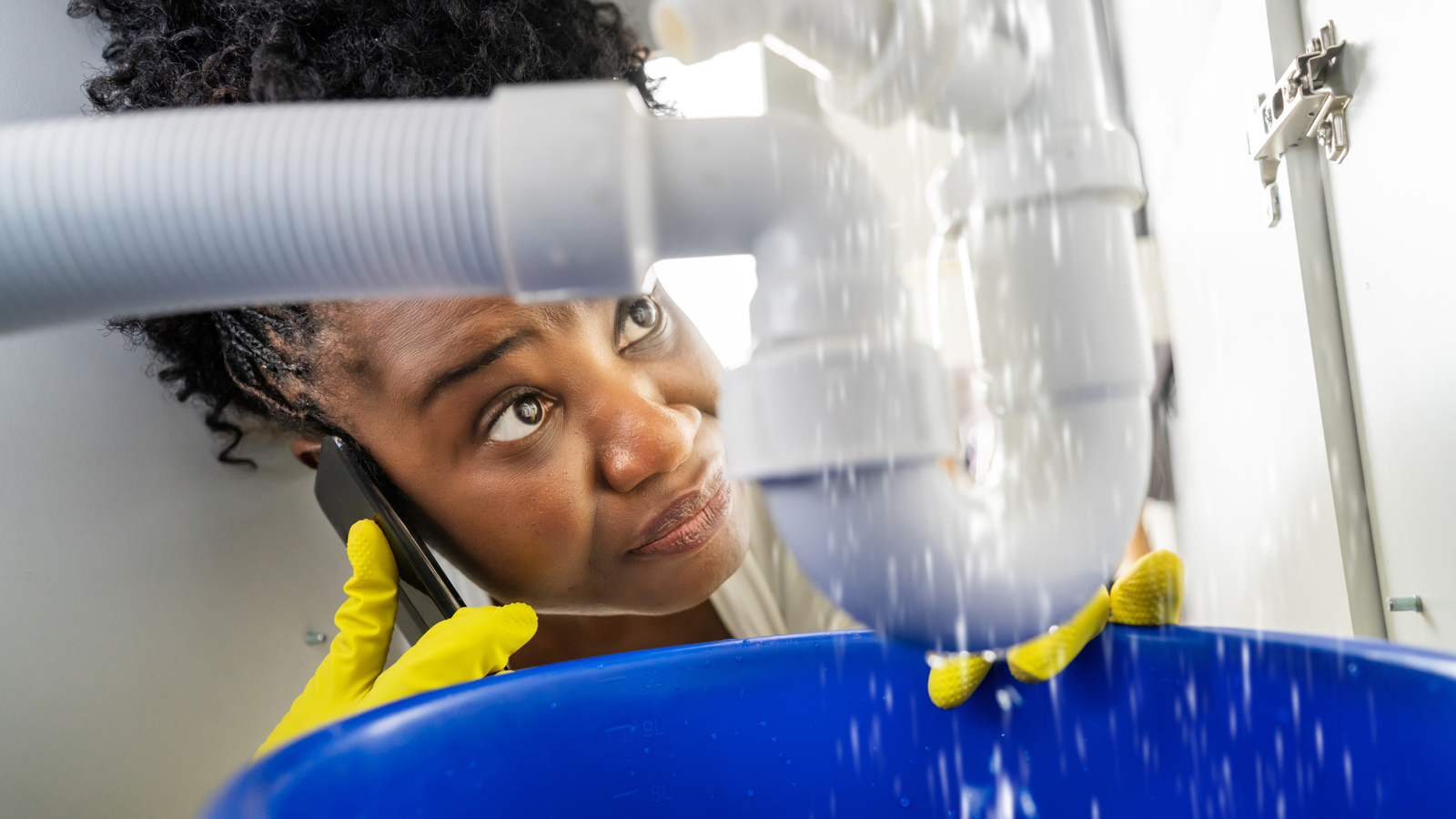
- Contain the water with buckets, towels, and a wet/dry vac. Move rugs and furniture.
- Document damage. Take clear photos and short videos for your records.
- Call a licensed plumber for repair. If sheetrock, insulation, or flooring is wet, contact a water-damage pro as well.
After the thaw: prevent a repeat
- Add pipe insulation or heat tape to the trouble spot.
- Seal the draft that caused the freeze in the first place.
- Consider moving vulnerable lines away from exterior walls during a remodel.
- Check your water heater, fixtures, and shutoff valves for slow leaks.
Handy supplies to keep on hand
- Foam pipe sleeves or insulation wrap
- Outdoor faucet covers
- Spray foam and exterior-grade caulk
- Hair dryer or heating pad
- Wet/dry vac and extra towels
- Thermometer for garage or crawl space
When to call a pro
- No water at one or more fixtures and you cannot find the frozen spot
- Any sign of a split pipe or a steady drip after thaw
- Frozen main line, meter, or pipes you cannot safely reach
- Repeat freezes in the same area, which points to a draft or layout issue
.yw-article {max-width: 840px; margin: 0 auto; font: 16px/1.6 system-ui, -apple-system, Segoe UI, Roboto, Arial, sans-serif; color:#0f172a;} .yw-article h1 {font-size: 32px; line-height:1.25; margin: 0 0 8px;} .yw-article h2 {font-size: 22px; margin-top: 28px;} .yw-article__dek {color:#334155; margin: 0 0 18px;} .yw-article ul, .yw-article ol {padding-left: 22px;} .yw-cta {margin: 28px 0; padding: 16px 18px; background:#f1f5f9; border:1px solid #e2e8f0; border-radius:10px;} .yw-cta a {color:#18533f; font-weight:600; text-decoration: none;}
{ "@context":"https://schema.org", "@type":"FAQPage", "mainEntity":[ { "@type":"Question", "name":"What temperature do pipes start to freeze?", "acceptedAnswer":{"@type":"Answer","text":"Risk rises when outdoor temps are below 20°F for several hours, especially with wind. Drafts and uninsulated spaces can cause freezing sooner."} }, { "@type":"Question", "name":"Should I let faucets drip during a freeze?", "acceptedAnswer":{"@type":"Answer","text":"Yes. A slow, steady drip helps keep water moving and reduces pressure buildup inside the pipe."} }, { "@type":"Question", "name":"Can I use a torch to thaw a pipe?", "acceptedAnswer":{"@type":"Answer","text":"No. Open flames are a fire hazard and can damage pipes. Use a hair dryer, heating pad, or warm towels instead."} }, { "@type":"Question", "name":"Where is the main water shutoff usually located?", "acceptedAnswer":{"@type":"Answer","text":"Common spots are the basement, a utility room, near the water heater, or on an exterior wall where the water line enters the house. In some areas it is at the street in a meter box."} } ] }